


How Sweatt v. Painter and Brown v. Board of Education Advanced Civil Rights

Weighing the Evidence
Share to Google Classroom
Published By:
Tyson King
Historical Era:
Postwar United States (1945 to early 1970s)
Thinking Skill:
Historical Analysis & Interpretation
Bloom’s Taxonomy:
Analyzing
Grade Level:
High School
Suggested Teaching Instructions
1 class period 45–60 minute class
Materials Needed
- Copies (digital or print) of Brown v. Board of Education Opinion, pages 1–12
- Highlighters or annotation tools
- Student graphic organizer (for recording evidence and analysis)
Steps:
- Hook / Warm-Up (5–10 minutes)
- Ask: “Can laws ever be unfair?
- Briefly review segregation and the precedent set by Plessy v. Ferguson.
- Background Mini Lesson (5–10 minutes)
- Provide context on segregation in education and the Civil Rights Movement.
- Introduce the purpose of the Brown case and why it was brought to the Supreme Court.
- Annotation 15–20 minutes
- Model how to annotate one short section:
- Identify a claim
- Highlight evidence
- Students then independently or in pairs annotate the remaining text.
- Model how to annotate one short section:
- Graphic Organizer 10–15 minutes
- Students categorize evidence (legal, historical)
5. Weighing Evidence Discussion 10–15 minutes
- Facilitate a class discussion:
- Which evidence was strongest?
- Push students to justify their reasoning with examples from the text.
- Which evidence was strongest?
6. Exit Ticket 5 minutes
- Short written response:
- How did the evidence in Brown v. Board of Education help protect minority rights?

To the extent possible under law, Tyson King has waived all copyright and related or neighboring rights to “How Sweatt v. Painter and Brown v. Board of Education Advanced Civil Rights”
Description
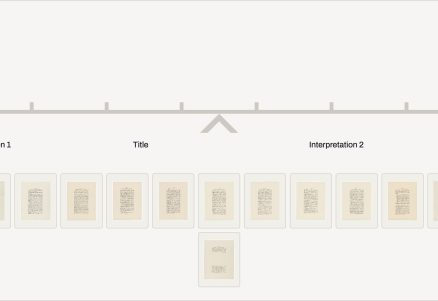
In this lesson, students engage in reading of pages 1–12 of the Supreme Court opinion in Brown v. Board of Education to analyze how evidence was used to challenge school segregation. Students will annotate the text, identify different types of evidence, and evaluate the strength of that evidence in supporting the Court’s decision.
Through this process, students will practice critical thinking and historical analysis skills by weighing the effectiveness of the arguments presented. The activity helps build understanding of how the Supreme Court protected minority rights by overturning the separate but equal doctrine established in Plessy v. Ferguson.
Overall, this activity helps students develop skills in document analysis, evidence evaluation, and argumentative reasoning while deepening their understanding of a landmark moment in U.S. history.