

Central Park: A Lasting Legacy to Frederick Law Olmsted and Democracy

Making Connections
Share to Google Classroom
Recommended Activity
Published By:
National Archives Foundation
Historical Era:
Contemporary United States (1968 to the present)
Thinking Skill:
Historical Analysis & Interpretation
Bloom’s Taxonomy:
Evaluating
Grade Level:
Upper Elementary, Middle School
Suggested Teaching Instructions
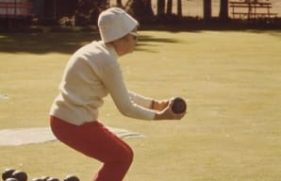
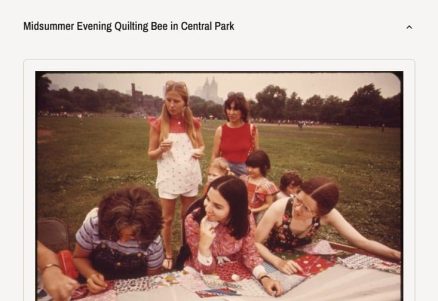
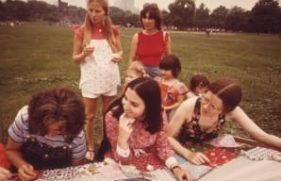
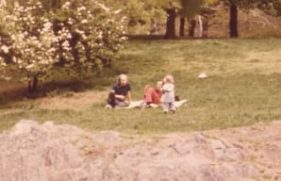
Students will examine eight photographs of people in and around Central Park from the Environmental Protection Agency’s Documerica series from the 1970s. This activity can be used during a unit on the importance of democratic values in the environment and the community. For grades 4-8. Approximate time is 30 minutes.
This activity may be completed as a class, in small groups or individually. Explain to students that they will use the primary sources to learn about the importance of parks in the community and how parks reflect democratic values. Explain to students that the photos they will be exploring photos were taken by freelance photographers hired by the EPA for the Documerica Project to capture images relating to environmental problems, EPA activities, and everyday life in the 1970s.
Share the following information about Frederick Law Olmsted and Central Park before the students begin the document analysis.
Frederick Law Olmsted is considered the father of Landscape Architecture in the United States. He, with his partner, Calver Vaux, designed and built numerous public parks across the United States.
Central Park in New York City was the first park he designed and one of the first urban parks in the United States using the principles of landscape architecture. With Central Park, he changed how Americans thought about public green spaces. Olmsted’s believed that is was the duty of a democratic society to ensure that all people have access to natural beauty and that parks should provide public access to everyone.
Direct students to the activity and tell them to explore each photograph and answer the analysis questions. Click “View Document Details” to see it more closely. As they progress through the photographs, they should respond to the following questions for each image and enter their responses in the blank box that follows each one. If necessary, model document analysis with the first photograph.
- What people do you see in the photograph?
- What activities do you see in the photograph?
- What objects do you see in the photograph?
- What season does the photograph take place?
After responding to the questions for the eight photographs, students should click on “When You’re Done.” Read and paraphrase (if necessary) the quotes from Frederick Law Olmsted about the importance of parks. Direct students to the following questions and lead a discussion based on the students’ answers:
- Do you agree with Frederick Law Olmsted’s beliefs about parks? Why or why not?
- Based on the photographs you analyzed, does Central Park reflect Frederick Law Olmsted’s beliefs? Why or why not?
- Why do you think parks are important to your community today? Give at least three reasons.

To the extent possible under law, National Archives Foundation has waived all copyright and related or neighboring rights to “Central Park: A Lasting Legacy to Frederick Law Olmsted and Democracy”
Description
In this activity, students will use primary sources to explore how people of all ages use Central Park in New York City. Students will examine photographs of people in Central Park to determine the many activities throughout the year people enjoy in Central Park. Based on their analysis, students will hypothesize about the importance of public parks in the United States.
This activity also focuses on Frederick Law Olmsted, father of American Landscape Architecture, who designed Central Park with his partner, Calvert Vaux in 1858. Frederick Law Olmsted’s democratic beliefs are embodied in the design of Central Park. He strongly believed in a common green space that would be accessible to all people.
Share this activity with your students
Documents in this Activity
Midsummer Evening Quilting Bee in Central Park
Contemporary United States (1968 to the present)
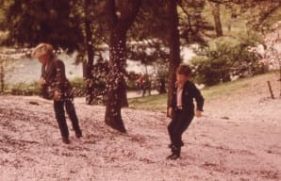
Youngsters Wade Through Fallen Redbud Petals in Central Park
Contemporary United States (1968 to the present)