

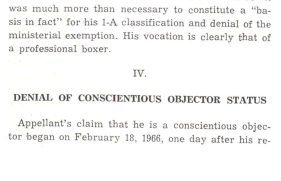
Breaking the Law Intentionally: Civil Disobedience

Seeing the Big Picture
Share to Google Classroom
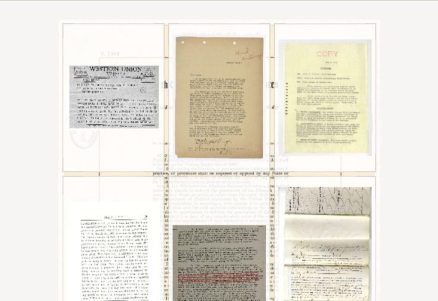
Recommended Activity
Published By:
National Archives Foundation
Historical Era:
Across Eras: Civics & Government
Thinking Skill:
Historical Analysis & Interpretation
Bloom’s Taxonomy:
Analyzing
Grade Level:
Middle School, High School
Suggested Teaching Instructions
This activity may be used in an American history or government class to introduce a unit about how individuals can bring about political or societal change through different types of civil disobedience. The activity can be completed as a class, in small groups, in pairs, or individually. For grades 6-12. Approximate time needed is 30 minutes.
Prior to introducing the activity, begin a discussion with students by asking the following questions:
- Is it ever okay for someone to break the law?
- hat if the law goes against an individual’s moral or political beliefs?
- What if the law violates an individual’s rights?
After the discussion, define the term “civil disobedience” (the refusal to comply with laws as a peaceful form of political protest). Then introduce the activity. Explain to students that they will be examining documents from American history that show civil disobedience in action, and will match these documents with the appropriate descriptions of civil disobedience.
Open the activity and model careful document analysis with one of the documents. After reading the document aloud and discussing the act of civil disobedience, match it to the appropriate description. Ask students to analyze the remaining documents and to complete the activity by matching each document with its description. When the activity is completed, the 1965 Voting Rights Act will be revealed, representing how acts of civil disobedience can lead to political or societal change.
After students have completed the activity, hold a class discussion by revisiting the same previously asked questions:
- Is it ever okay for someone to break the law?
- What if the law goes against an individual’s moral and/or political beliefs?
- What if the law violates an individual’s rights?
Poll students to see if their minds have changed after analyzing the documents from the activity. Ask students if they believe these individuals created political or societal change.
Explain how acts of civil disobedience have sometimes led to such changes. Examples include the passage of the 19th Amendment, the 1964 Civil Rights Act, and the 1965 Voting Rights Act.

To the extent possible under law, National Archives Foundation has waived all copyright and related or neighboring rights to “Breaking the Law Intentionally: Civil Disobedience”
Description
In this activity, students will analyze documents to discover various acts of civil disobedience that have occurred in American history. Then they will match the documents to the appropriate descriptions of civil disobedience.
After completing the activity, students should be able to define “civil disobedience” and cite examples from American history when it has been used to bring about political or societal change.
Share this activity with your students
Documents in this Activity
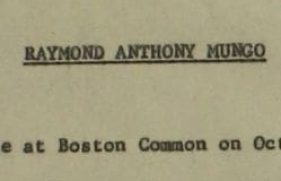
Raymond Anthony Mungo Speech
Postwar United States (1945 to early 1970s)
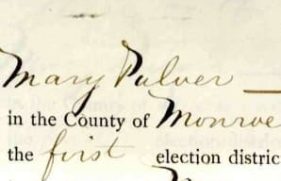
Indictment for Mary Pulver
The Development of the Industrial United States (1870-1900)