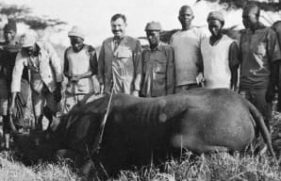
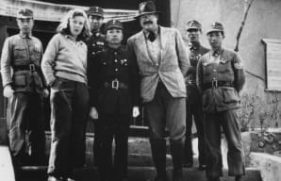
This activity can be used to study the international life of Ernest Hemingway during the early and mid 20th century. For grades 6-10. Approximate time needed is 60 minutes.
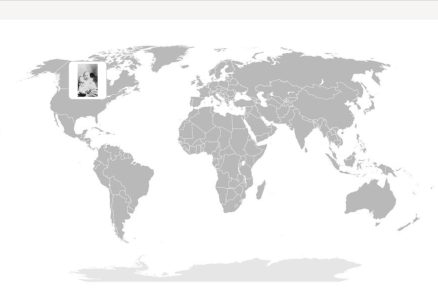
Begin by displaying the map and documents for students. Inform them that the first photograph has already been placed in its correct location, while the remaining photographs need to be placed.
Model document analysis with the first photograph already pinned on the map. Instruct students to perform the same careful examination of each of the remaining photographs (as a class, individually, or in small groups).
As students place the photographs in their appropriate locations, direct them to note particular details about each photograph in a multi-column chart. Columns should include details about location, year, and what types of activities Ernest Hemingway was doing in the photograph. If necessary, students can reference the article “Hemingway on War and Its Aftermath,” published in the National Archives’ Prologue magazine, or the biographical note on Hemingway in the National Archives Catalog to provide additional context to his life.
Bring the class back together and ask students to report on the individual photographs they saw. After discussing some of the major international activities of Ernest Hemingway, direct students to the “When You’re Done” section. Begin a discussion based on the questions provided:
- Based on the photographs, how would you describe the life of Ernest Hemingway?
- What places around the world appear to have played a major role in his life?
- Imagine you have been asked to make a small exhibition on the life of Ernest Hemingway. Which five images would you include and why?