In 1790 Congress prohibited states and individuals from negotiating land cession treaties with Indian Nations. Yet from the 1780s to the 1840s, New York State officials and private citizens continued to acquire Iroquois, or Six Nations, land through treaties and other agreements. Sometimes Federal commissioners even presided.
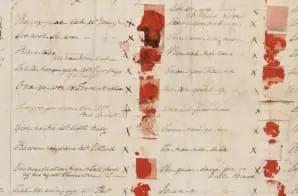
This treaty was negotiated on behalf of Robert Morris, a Philadelphia speculator who claimed four million acres of Seneca land in western New York. Known to the Seneca as “the great eater, with the big belly,” Morris was facing bankruptcy and needed to sell his claims. But first, he needed a treaty that extinguished Seneca title to the tracts.
At the treaty council, held at Big Tree, near the present-day town of Geneseo, New York, U.S. treaty commissioners, along with Morris’s brother, convinced Seneca leaders to cede all but 200,000 acres of land in exchange for $100,000. Henceforth the Seneca would live in 10 scattered enclaves surrounded by Euro-Americans.