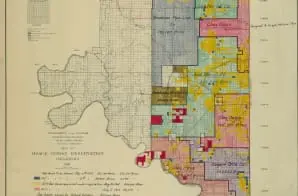
In the late 19th century, the Osage Nation were the surprise recipients of a vast oil and mineral deposit discovered on their reservation. Enterprising oilmen received drilling rights from the Bureau of Indian Affairs (BIA), with the stipulation that the Osage Nation received a 10 percent royalty on all sales.
By 1906 the Osage had negotiated another deal with oil companies and the federal government to retain their headrights on any mineral and oil deposits within the reservation. They were now some of the richest people in North America, earning approximately 10 million to 30 million dollars a year. All this “black gold,” however, was a curse rather than a blessing to the reservation. Sudden wealth brought riches and a higher quality of life, but it also brought human greed and malice.
Greed came in the form of a new Congressional law requiring the Osage to pass a measure of competency proving they could manage their funds responsibly. If they couldn’t, they would be appointed a guardian until a legal age. This immediately opened the door for con artists, unscrupulous businessmen, and corrupt lawyers and bankers to siphon off funds from annual royalties. Several Osage people were swindled out of their individual headrights without knowing the full value of their contracts. Many Whites even married their way into rich Osage families to exert their legal rights as spouses and obtain guardianship that way.
As for malice, nearly 60 people were killed on the Osage reservation for their headrights to the oil profits, and some of those murders are still unsolved.