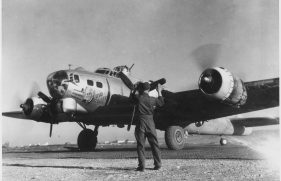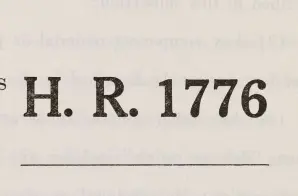
When the Lend-Lease Bill, H.R. 1776, was passed on March 11, 1941, it set up a system that would allow the United States to lend or lease war supplies to any nation deemed “vital to the defense of the United States.”
In the 1940 Presidential election campaign, Roosevelt promised to keep America out of the war. Nevertheless, he wanted to support Britain and believed the United States should serve as a “great arsenal of democracy.” Churchill pleaded, “Give us the tools and we’ll finish the job.” In January 1941, following up on his campaign pledge and the prime minister’s appeal for arms, Roosevelt proposed to Congress a new military aid bill.
The plan proposed by FDR was to “lend-lease or otherwise dispose of arms” and other supplies needed by any country whose security was vital to the defense of the United States. Following two months of debate, Congress passed the Lend-Lease Act, meeting Great Britain’s deep need for supplies and allowing the United States to prepare for war while remaining officially neutral.