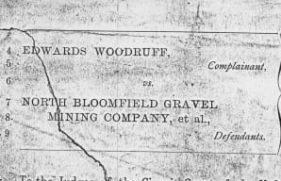
Asst. Adjt. Genl. R. Williams sent this note to the military officers at the Pine Ridge Reservation on November 24, 1890, conveying the Army’s stance that “the ghost dances should not be disturbed for the present nor anything be done to precipitate a conflict,” but that they should wait to determine what measures would be necessary “when the troops are all concentrated [and] ready for action.”
Many White settlers who lived near reservations were scared of this new movement and dance, and incorrectly characterized it as a war dance when they saw people congregating. The Government Indian agent in charge of the Pine Ridge Reservation in South Dakota requested additional military protection and the Army sent large numbers of troops.
After Chief Sitting Bull was killed by police at Standing Rock Reservation on December 15, 1890, tensions rose considerably. Chief Big Foot led a large group, including many of Sitting Bull’s followers, from Standing Rock to Pine Ridge because they were concerned about the increased military presence there.
The group was intercepted by the Seventh Cavalry. They surrendered and were escorted to Wounded Knee Creek, where they were detained under force. As their weapons were being confiscated the next day, a gun was fired and the soldiers began shooting. Hundreds of men, women, and children, many unarmed, were killed on December 29, 1890. This came to be known as the Wounded Knee Massacre.