

Lowering the Voting Age: Nixon and the 26th Amendment

The effort to lower the voting age had begun during World War II. During the Vietnam War, the slogan “Old enough to fight, old enough to vote” was heard again from student activists, who increased pressure on Congress to change the voting age.
In April 1970, Congress controversially lowered the voting age to 18 as part of legislation to extend the Voting Rights Act of 1965. Many people, including President Nixon, believed that it was the right of the states, not the Federal Government, to set the voting age. Nixon, nevertheless, signed the Act which was to go into effect January 1, 1971.
On December 21, 1970 the Supreme Court ruled that the government had indeed overstepped its legislative bounds in lowering the voting age. Fearing mass confusion over who could vote in the 1972 election, Congress quickly passed legislation proposing the 26th Amendment. It was ratified by the states in 100 days, faster than any other Amendment.
Please Note: Activities may not be optimized on mobile devices. For the best experience, complete the activity on a desktop or laptop.
View the full activity: https://docsteach.org/activity/lowering-the-voting-age-nixon-and-the-26th-amendment/
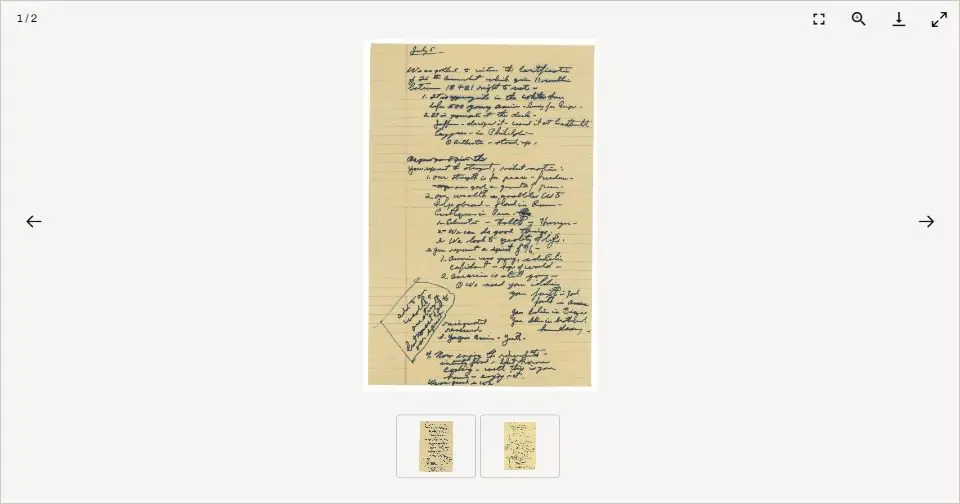
President Richard Nixon jotted these notes for his remarks at the 26th Amendment Ceremony. Even though the handwriting can be difficult to read, examining this very personal document gives special insight into President Nixon’s thoughts on the amendment and the youth vote.
As you read, look for answer to the following questions:
- Why did President Nixon think the desk used in the ceremony was appropriate?
- What American values did he think the new voters represented?
- What did he mean when he wrote about the “spirit of 76”?
After you’ve read the President’s remarks, try to put yourself in his position. What might you say on this historic occasion?
